
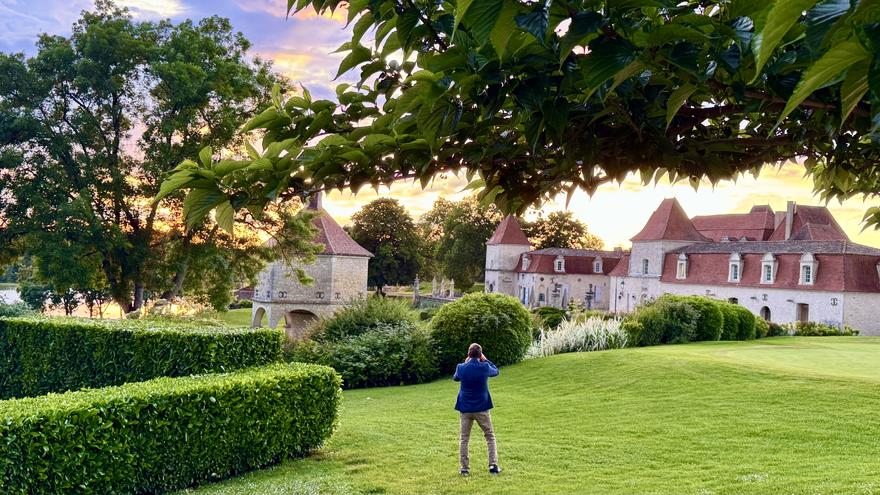
Medieval villages, fairytale castles, prehistoric caves, beautiful rivers, wonderful gardens and seriously good food. Dordogne has so much to offer, and it’s a part of France I wish I had discovered sooner!
Have you heard of Dordogne? I honestly didn’t know much about this part of France before visiting in May 2025. And maybe that’s why it surprised me so much. Dordogne turned out to be one of those places that completely exceeded my expectations.
I travelled there representing Viljareiser on a study trip hosted by Explore France and Dordogne Périgord Tourisme. The purpose was to explore the region and see whether it could be a destination for future group trips.
During our four days and three nights, we visited beautiful villages, explored medieval castles and gardens, discovered prehistoric sites, enjoyed some excellent food and went canoeing on the Dordogne River.
Here are some of my favourite places, experiences, hotels and restaurants, along with a few practical tips if you're planning a visit.
Where is Dordogne?
Dordogne is located in southwestern France, east of Bordeaux. The landscape is beautiful, with green valleys, forests, limestone cliffs and small villages nestled along the rivers or perched high above them.
Dordogne is often called the land of a thousand castles, and you'll soon understand why. From impressive medieval fortresses to elegant country estates, castles seem to appear everywhere.
The region is also home to some of Europe's most important prehistoric sites, particularly in the Vézère Valley, where people lived tens of thousands of years ago.
And then there's the food! Dordogne is famous for truffles, walnuts, duck, foie gras, local cheeses and wines from the Bergerac area.
How to get to Dordogne – and why I recommend renting a car
We flew from Oslo via Paris to Bordeaux, and continued by car into Dordogne. I would definitely recommend renting a car and staying in more than one place. Many of the most beautiful villages, castles and attractions are spread across the region, and having a car gives you the freedom to explore at your own pace. If you have time, I would recommend spending at least four or five days here, preferably a week.
Beautiful villages and towns worth visiting
Saint-Léon-sur-Vézère
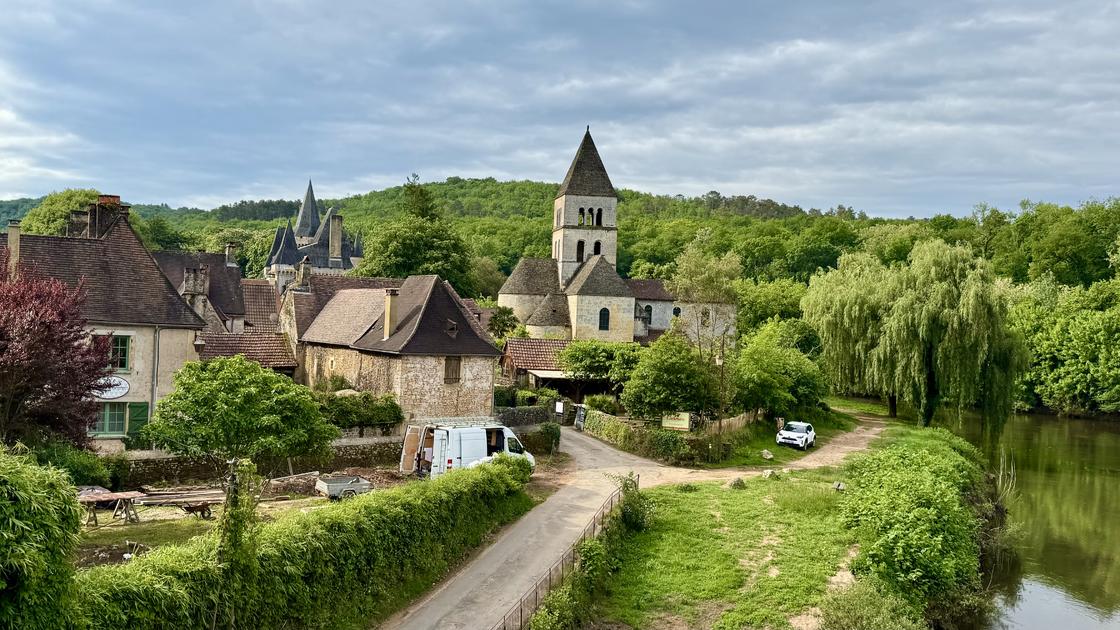
Located along the Vézère River, Saint-Léon-sur-Vézère is officially listed as one of the most beautiful villages in France – and it's easy to see why. Charming stone houses, flower-filled gardens, narrow streets and a beautiful Romanesque church dating back to the 12th century give the village plenty of character. The river flows quietly past the village, and the whole place has a wonderfully peaceful atmosphere.
La Roque-Gageac
La Roque-Gageac is one of the most beautiful villages in Dordogne, with a rather spectacular location. The village is nestled between dramatic limestone cliffs and the Dordogne River, with golden stone houses squeezed between the rock face and the water.
It's a lovely place to explore on foot, with narrow streets and traditional houses. We stopped here for lunch at Les Courtines, which I highly recommend (see more info further down). The food was delicious, and the surroundings were lovely. They also have 5 apartments for rent.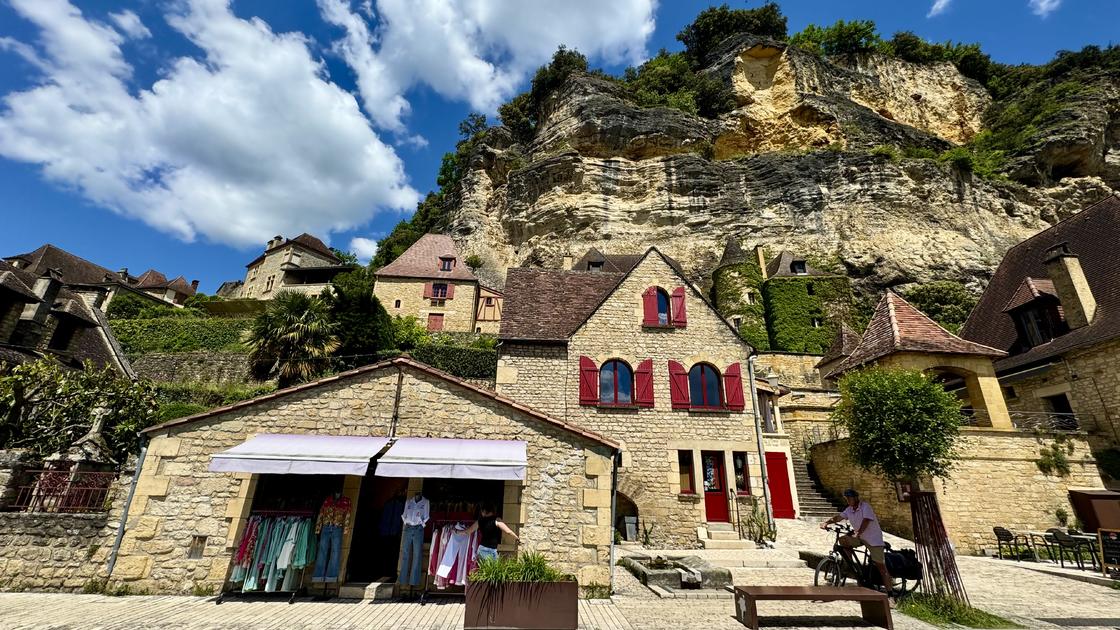
Sarlat-la-Canéda
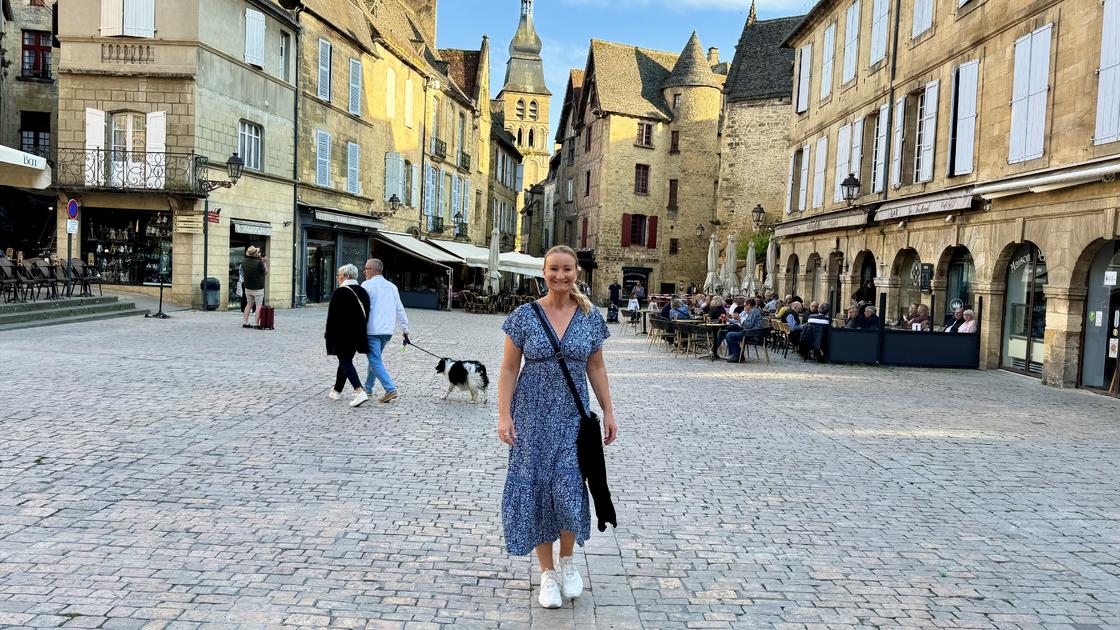
Sarlat is one of the best-preserved medieval towns in France and definitely worth visiting. Wander through narrow cobbled streets lined with beautiful honey-coloured stone houses, historic buildings and charming little squares.
Sarlat is a bigger town, and there are lots of hotels and restaurants to choose from.
My tip: Visit Sarlat on a Wednesday or Saturday, when the traditional markets take place. Wednesday mornings are dedicated to food, while Saturdays offer a larger market with local products, clothing, crafts and other goods. You'll find everything from local cheeses, walnuts and seasonal fruit to foie gras, truffles and regional specialities. The market is also a great opportunity to experience the atmosphere of the town and see local life.
You can also take a panoramic lift up the church tower for views over Sarlat's rooftops. We did not do this.
Les Eyzies – the world capital of prehistory
Our first night in Dordogne was in Les Eyzies, a charming little village surrounded by impressive limestone cliffs. Les Eyzies is known as the "world capital of prehistory", thanks to the extraordinary number of caves and archaeological sites found in the surrounding area.
Some of the most important discoveries relating to early humans in Europe have been made here. The village itself is also worth exploring. Its unusual setting, with buildings nestled against the cliffs, makes it quite different from many other French villages.
If you're interested in history, you can also visit the National Museum of Prehistory, which has an extensive collection of prehistoric artefacts.
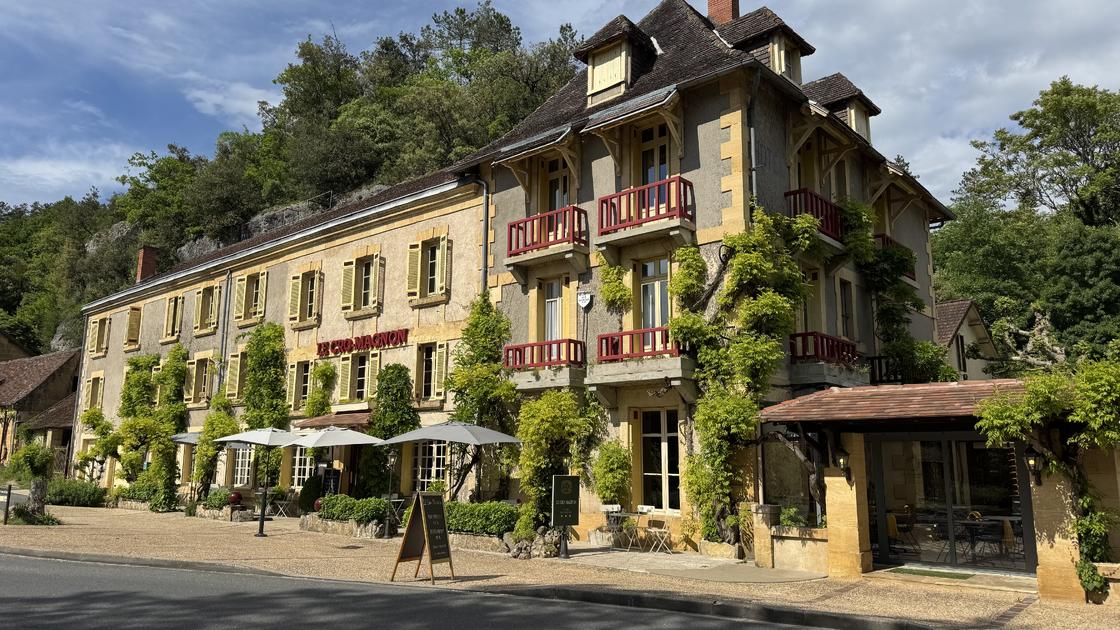
We stayed at the charming 3-star Hôtel Le Cro-Magnon and had a wonderful dinner at Le Centenaire (this is also a hotel). See more information further down.
Castles, gardens and other places to visit
Canoeing on the Dordogne River – one of the highlights of our trip!
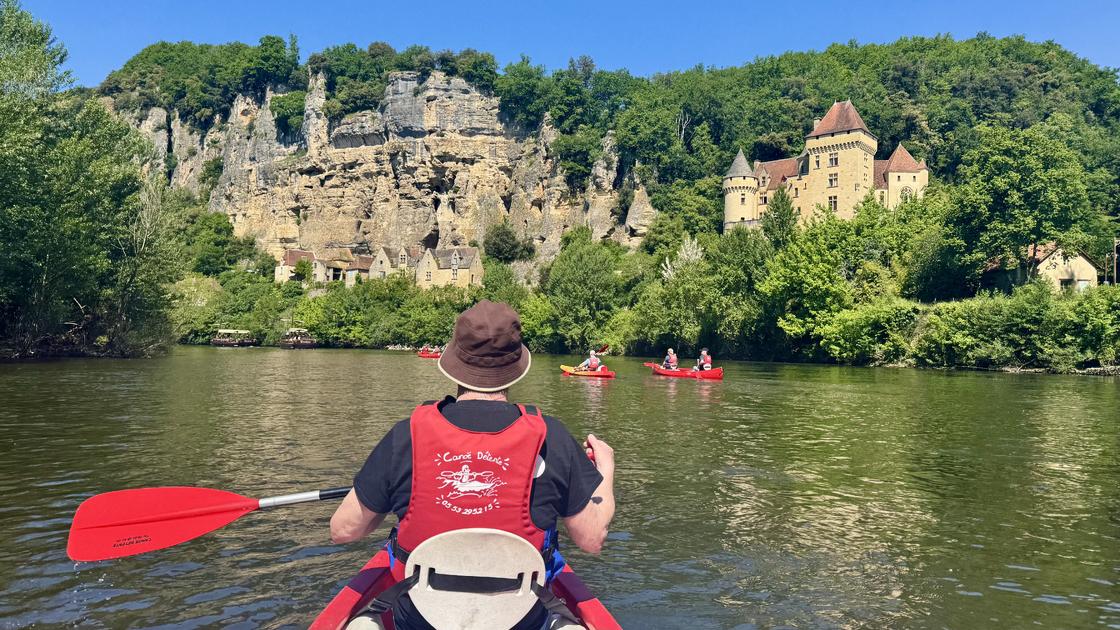
One of my favourite experiences in Dordogne was our canoe trip along the river. It was wonderful to glide peacefully downstream, passing medieval castles, steep cliffs, green hillsides and charming villages. Seeing the landscape from the water gives you a completely different perspective, and it’s a lovely way to experience the Dordogne Valley.
We rented our canoes from Canoë Détente, a family-run company near Beynac. They offer several routes of different lengths, including trips passing some of the region’s most famous castles. The company provides transport.
Click here for more info.
Château de Beynac – an impressive medieval fortress
Dordogne is famous for its castles, and Château de Beynac is one of the most impressive. Perched high on a limestone cliff overlooking the Dordogne River, this medieval fortress is an incredible sight, especially when seen from below. We admired it from the river during our canoe trip. If you have time, you can also visit the castle itself, explore its historic rooms and enjoy the panoramic views over the Dordogne Valley.
Les Jardins de Marqueyssac – beautiful gardens and spectacular views
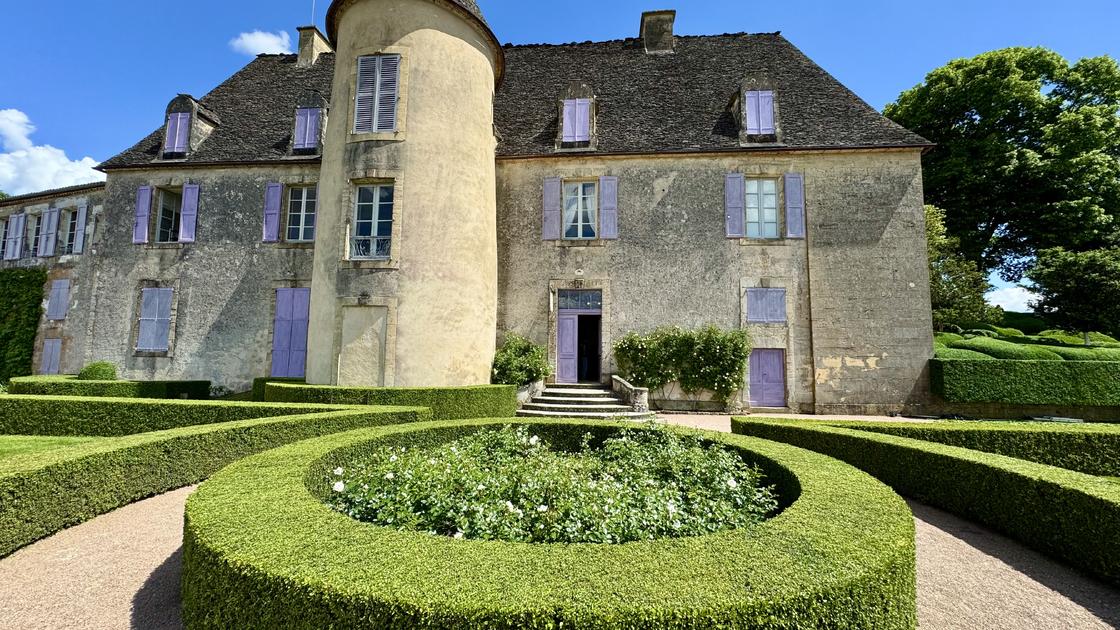
Named by The New York Times as one of the 25 best gardens in the world. A truly impressive place! Les Jardins de Marqueyssac are located high above the Dordogne Valley and are famous for their beautifully shaped boxwood hedges. The gardens feature around 150,000 hand-trimmed boxwood plants and more than six kilometres of walking paths. The hedges are shaped into unusual, rounded forms, creating a landscape unlike any other garden I've visited.
If you love beautiful landscapes and viewpoints, don't miss this place! I recommend you to join a guided tour as you’ll learn so much more than if you go on your own.
Looking for a little adventure? The gardens also offer a Via Ferrata route along the cliffs. It takes around 45 minutes, including safety instructions, and is included in the entrance fee when the activity is available. I didn't get to try it, but it's definitely on my list for next time!
Click here for more info about Les Jardins de Marqueyssac.
Lascaux IV – discover 20,000-year-old cave paintings
An interesting place to visit is Lascaux IV in Montignac. In 1940, four teenagers discovered a cave containing some of the world's most famous prehistoric paintings. The paintings, dating back around 20,000 years, depict animals such as horses, bulls and deer.
The original cave was closed to visitors in 1963 to protect the fragile paintings, which had begun to deteriorate due to changes in the cave's environment. Today, you can visit Lascaux IV – the International Centre for Cave Art. The centre contains an incredibly detailed reconstruction of the original cave, allowing visitors to experience the paintings and learn more about the people who created them.
There's also an interesting Norwegian connection: the impressive visitor centre was designed by Norwegian architecture firm Snøhetta, working with French partners.
More info: https://lascaux.fr/en/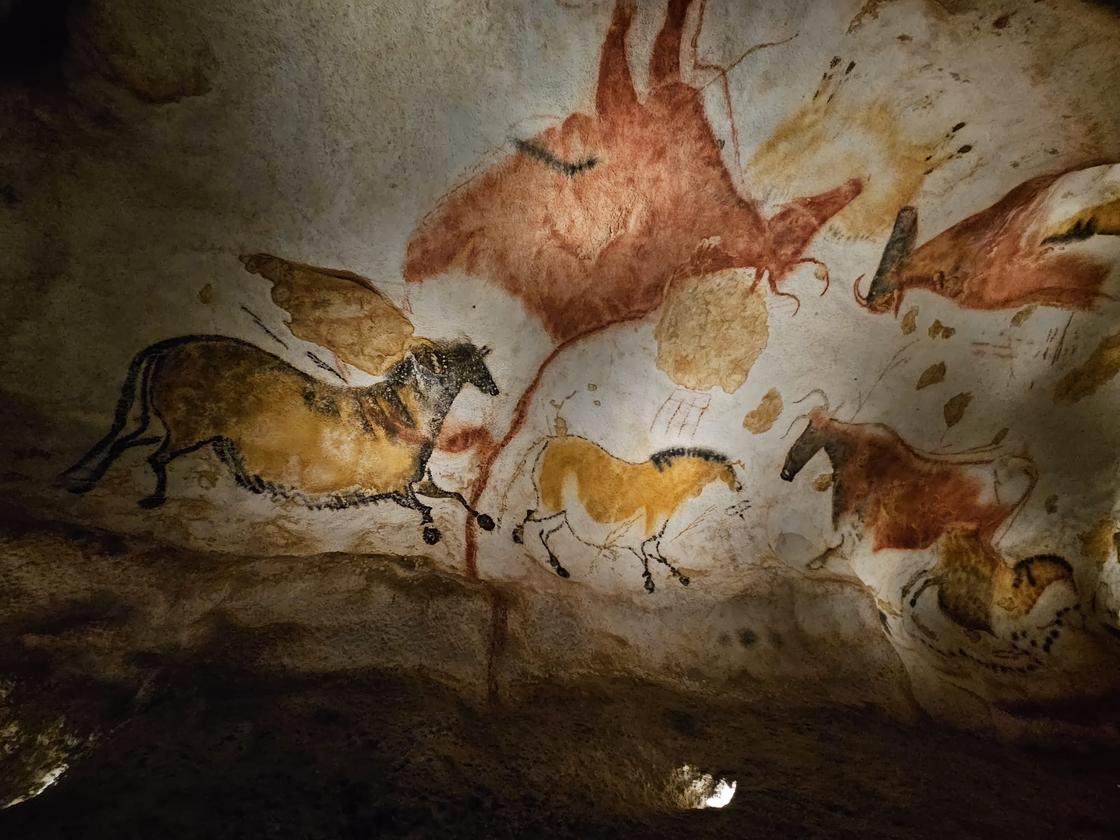
Les Cabanes du Breuil – unusual stone huts
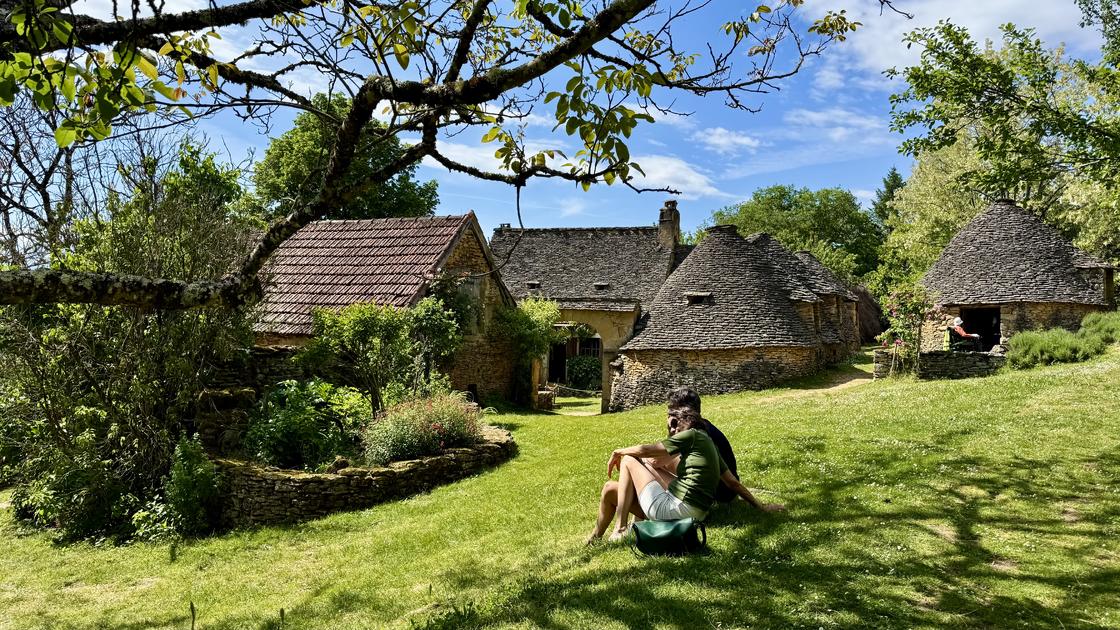
Just outside Sarlat, you'll find Les Cabanes du Breuil, a collection of traditional stone huts with very distinctive roofs. The buildings were constructed by carefully stacking stones without using mortar to hold them together.
Their rounded stone roofs and unusual shapes make them quite different from the buildings you'll see elsewhere in the region. Located on a family farm, the huts are an interesting example of traditional rural architecture and were once used for agricultural purposes. It's a small but unusual place to visit, particularly if you're interested in architecture or local history.
Click here for more info.
Château de Puymartin – a castle with a ghost story
Château de Puymartin is a beautiful medieval castle located just outside Sarlat. The castle has a long history, and its architecture reflects several different periods. Inside, you'll find historic rooms, furniture, paintings and some beautifully preserved decorative details.
But the castle is perhaps best known for its ghost story. According to local legend, a woman known as "La Dame Blanche" – the White Lady – still haunts the castle. The story is part of the castle's history and is shared with visitors during guided tours. Whether or not you believe in ghosts, it's an interesting castle to explore!
Click here for more info.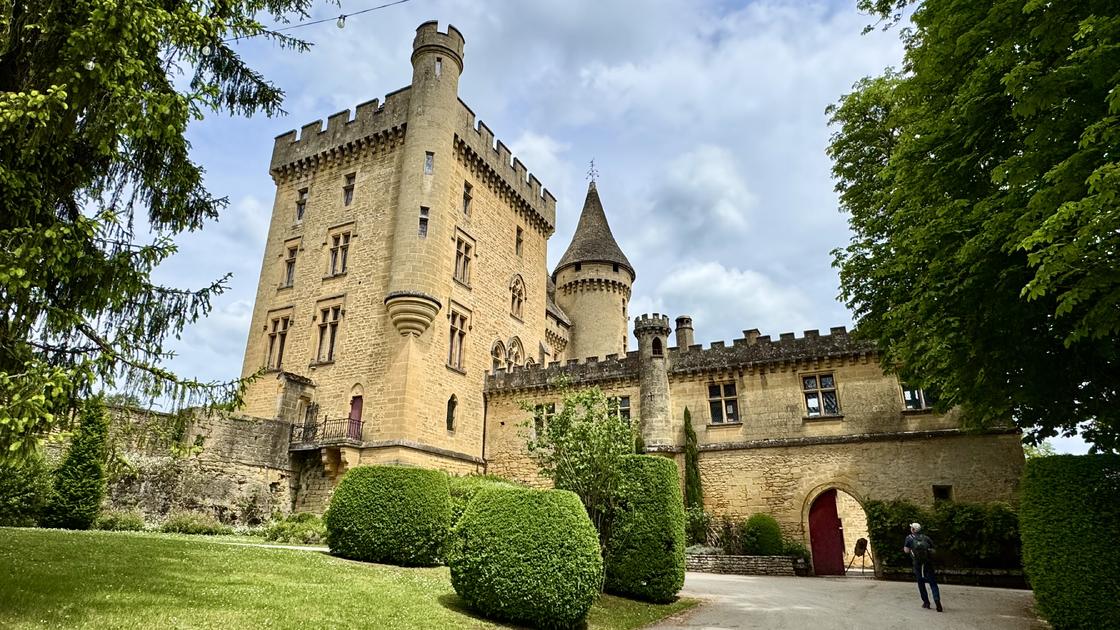
Where to stay and eat in Dordogne
We stayed in different hotels during our trip and had the opportunity to try several restaurants. However, there are so many hotels and restaurants that I have not had a chance to visit yet.
Here are some places I'd like to recommend.
Hôtel Le Cro-Magnon – Les Eyzies
Our first night was spent at Hôtel Le Cro-Magnon in Les Eyzies. This charming three-star hotel is located in a historic 19th-century building at the foot of the limestone cliffs. It's a relatively small hotel, with 15 individually designed rooms and suites, an outdoor swimming pool and private parking.
The room I stayed in was quite basic, but I liked the character of the building and the personal atmosphere of the hotel. The owners were really nice. The location is also convenient for exploring Les Eyzies and the surrounding Vézère Valley.
Click here for more info.
Le Centenaire – Les Eyzies
We had dinner at Le Centenaire, and the food was absolutely delicious! This was one of the best dining experiences of our trip. Le Centenaire is also a four-star boutique hotel with 19 rooms and suites, a heated outdoor swimming pool and lovely terraces.
The hotel has two restaurants: La Table du Centenaire, which is recommended in the Michelin Guide, and the more casual Le Bistro du Centenaire.
If you're staying in Les Eyzies, I would definitely recommend that you check out both the hotel and the restaurant.
Click here for more info.
Les Courtines – La Roque-Gageac
If you're visiting La Roque-Gageac, I highly recommend stopping for lunch at Les Courtines. We enjoyed a healthy and delicious lunch here in lovely surroundings, right in one of Dordogne's most beautiful villages.
They also offer five apartments for rent in a building next to the restaurnat, and this is somewhere I'd love to stay next time. The apartments look really nice, and you can find them on places like booking.com. You can also contact the owner on contact@lescourtines-perigord.com. You find them on Instagram at @lescourtines_laroquegageac.
La Couleuvrine – Sarlat
We had a lovely dinner at La Couleuvrine, a family-run hotel and restaurant in the heart of Sarlat. Set in a historic building forming part of the town’s old ramparts, the restaurant serves dishes made with fresh, local ingredients, combining regional specialities with the chef’s own creative touches.
If you’re looking for somewhere to stay in Sarlat, La Couleuvrine also has a three-star hotel. I did not have a look at this hotel.
Château des Vigiers – golf, spa and countryside
Our final night was spent at Château des Vigiers, a beautiful hotel estate near Bergerac. The property includes a historic château, a modern hotel section, a golf course, spa facilities and two restaurants. One of the restaurants, Les Fresques, has a Michelin star.
Château des Vigiers was also named France's Best Golf Hotel at the 2024 World Golf Awards. Personally, I prefer staying somewhere a little more central, where I can walk to restaurants and explore a village in the evening. So although Château des Vigiers is a beautiful hotel, I would choose a different location next time.
Click here for more info.
My best tips for visiting Dordogne
Rent a car
It's the easiest way to explore the villages, castles and attractions scattered throughout the region.
Consider staying in more than one place
We had three nights in different locations, and I really enjoyed discovering different parts of Dordogne this way.
Allow enough time
Three nights gave us a good introduction, but I would recommend at least four or five days, preferably a week.
Go canoeing
Seeing the castles and villages from the river was one of the highlights of our trip.
Visit a wineyard
The Bergerac area is known for its vineyards and excellent wines. If you enjoy wine, I would definitely recommend visiting a local winery for a tasting. It's a lovely way to discover the region's wine traditions and enjoy the beautiful countryside.
Visit Sarlat on a market day
Wednesday mornings and Saturdays are particularly good times to visit.
Make time for the smaller villages
Some of my favourite moments were simply wandering around, enjoying the surroundings and stopping for a coffee or lunch.
Check opening hours in advance
Some attractions, restaurants and activities have seasonal opening times, so it's worth checking their websites before visiting.
Disclosure: I visited Dordogne in May 2025 on a fully hosted study trip organised by Explore France and Dordogne Périgord Tourisme, representing Viljareiser. Flights, accommodation, meals and activities were covered by the hosts. There was no requirement to publish this blog post, and all opinions and recommendations are my own.


Kommentarer